Scope detail
Clear, itemized paperwork
Invoices and scopes that separate removal, hauling, equipment, and disposal so the adjuster can understand what was done and why.
Serving Baltimore, Maryland & surrounding areas
One call instead of ten No web forms, no callback spam 24/7 Emergency Response
Insurance tree removal · Baltimore, Maryland
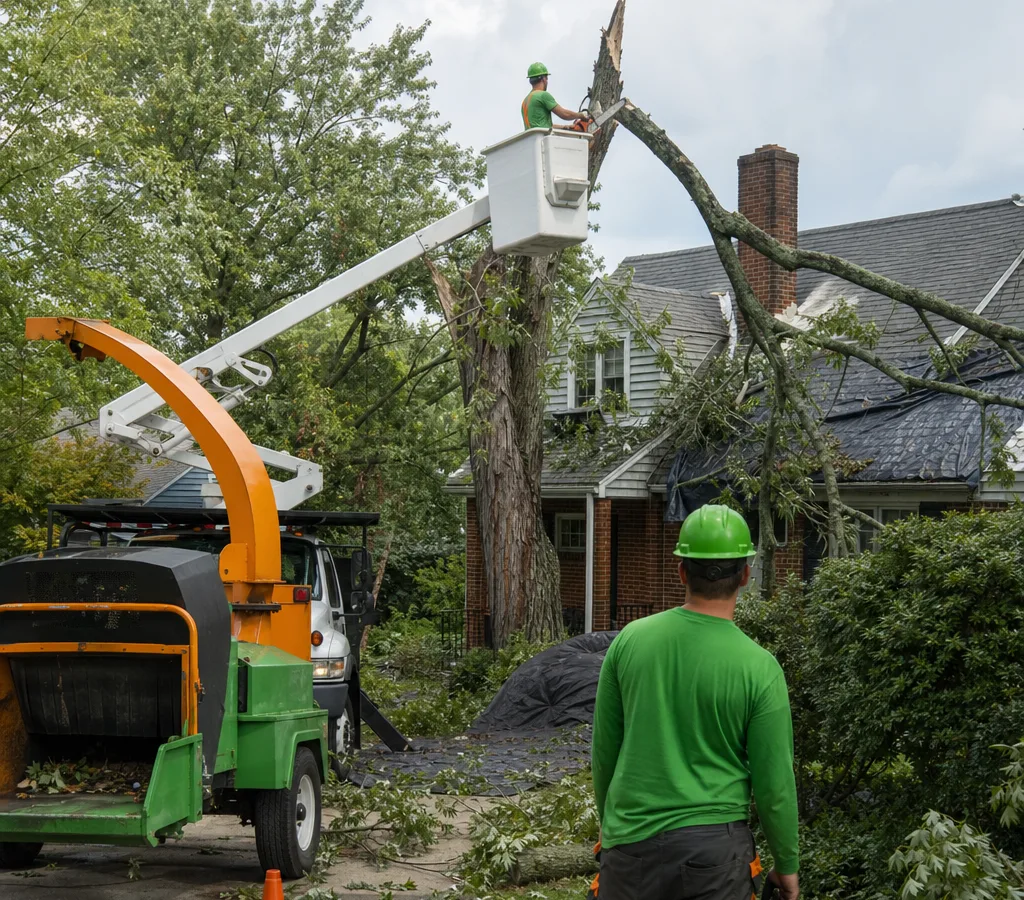
Storm damage is stressful enough. We remove fallen or hazardous trees, haul debris, and provide the job notes and photos adjusters commonly ask for so you can move your claim forward with fewer back-and-forths.
✓ Skip the 3-hour Google rabbit hole — we’ve already done the vetting
✓ One conversation, not ten voicemails and seven web forms
✓ 24/7 response — talk to a real person who actually knows Baltimore tree service
Immediate claim support
If you are searching for homeowners insurance tree removal Maryland, you are probably dealing with a tree on a roof, across a driveway, tangled in lines, or leaning after a storm. The priority is safety first, then cleanup, then getting the right documentation in place so your insurer can make a decision.
Tree Removal Baltimore handles insurance-related tree removal work across Baltimore. We focus on clear scopes, careful site protection, and practical claim support: date-stamped photos, written descriptions of what was damaged, and itemized invoices that match the work performed. We will also explain what we can and cannot do under an insurance claim so you are not surprised later.
If the tree is actively dangerous, treat it like an emergency. Keep people out of the area, stay clear of any downed wires, and contact your utility provider if a line is involved. Once the scene is safe, we can assess access, hazards, and the best way to remove the tree without causing more damage.
Coverage and documentation
Insurance coverage varies by carrier and policy, but many Baltimore homeowners run into the same decision points.
In general, insurers are more likely to consider removal when a tree causes covered damage to a structure (roof, gutters, fence, garage) or blocks access in a way tied to a covered event. They may limit payment for removing a tree that simply fell in the yard with no insured damage. Some policies also have dollar caps for debris removal or for separate tree removal benefits.
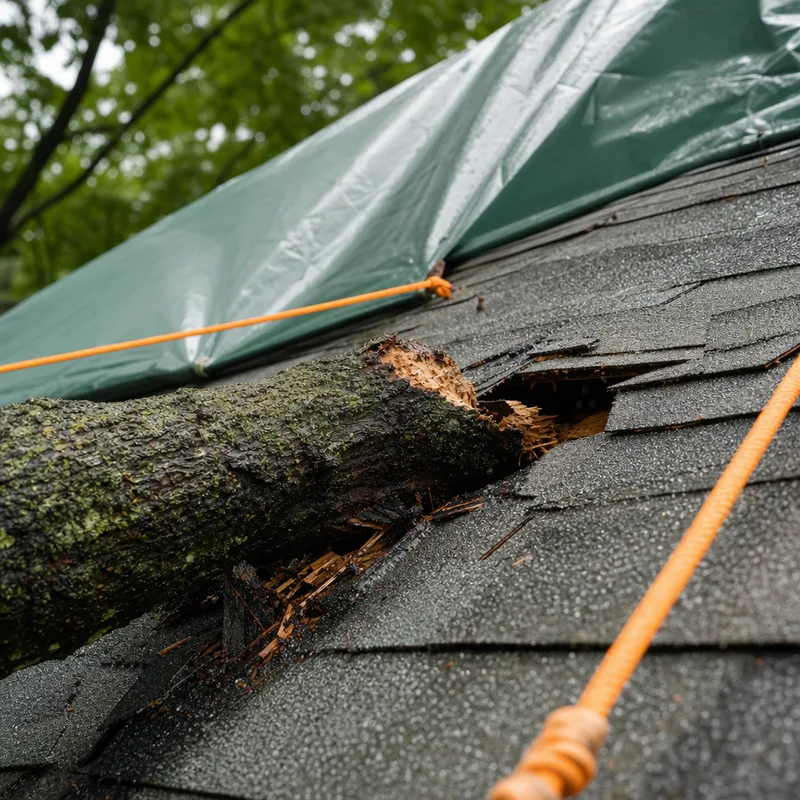
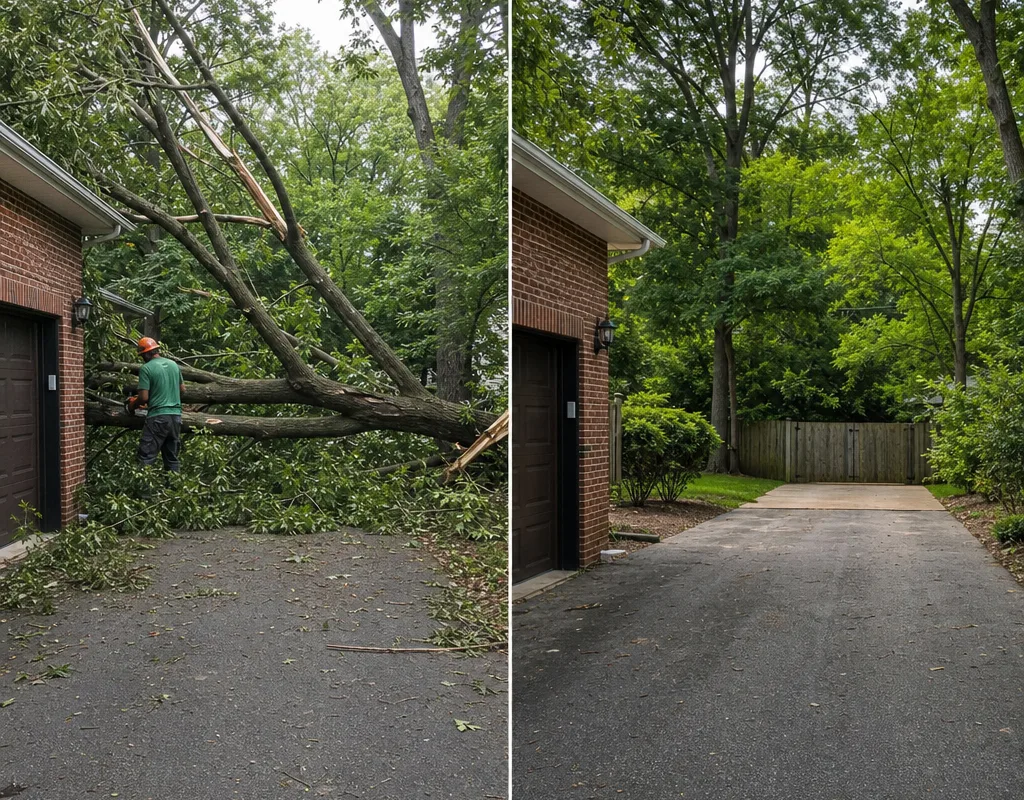
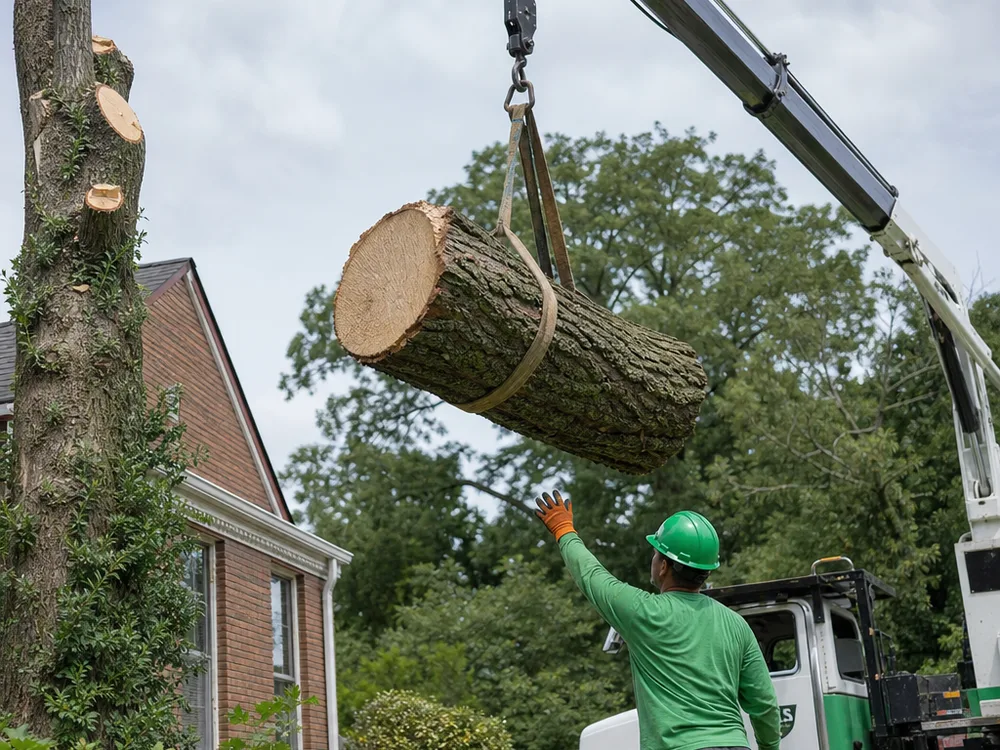
What we do on our side is keep the scope clean and defensible: we document where the tree came from, what it impacted, and why the removal method was necessary (rigging, crane, sectional dismantle, roof protection, limited access). We can also provide a simple work description you can share with your adjuster.
If you are trying to decide whether to open a claim, start by reviewing your deductible and any debris removal limits. We can give you a written estimate and a work plan so you can compare it to your policy terms before authorizing non-emergency work.
Documented work scope
Scope detail
Invoices and scopes that separate removal, hauling, equipment, and disposal so the adjuster can understand what was done and why.
Before, during, and after photos that show damage points, access constraints, and cleanup completion.
Sectional dismantling, controlled rigging, and protection for roofs, fences, and landscaping when the tree is over structures.
Log bucking, brush chipping, and removal of storm debris so the property is usable again.
We explain what typically slows approvals: missing photos, vague scopes, and work that begins before the adjuster has what they need when it is not an emergency.
Damage to documentation
Keep everyone away from the tree and any hanging limbs. If there is any chance a power line is involved, treat it as live and contact the utility before anyone approaches.
Take wide shots and close-ups from multiple angles. Capture what the tree struck and any blocked access. If it is safe, get a photo that shows the base or break point.
We assess hazards, equipment access, and whether a crane, bucket truck, or climbing and rigging is the safest plan. You receive a written scope you can share with your insurer.
We remove the tree in controlled sections when needed, protect structures, and haul debris. If there is roof damage, we can stage work to avoid making it worse while you coordinate repairs.
You receive itemized billing and a short work summary that aligns with common claim requirements, including photos if requested.
On-site pricing
Homeowners insurance-related tree removal in Baltimore typically ranges from about $500 to $1,800 for a straightforward fallen tree in an open yard, while complex removals over structures or with crane work often run $2,000 to $6,000+.
Price depends on tree size and species density, whether it is on a roof or tangled, access for equipment (tight alleys, fenced yards), haul distance, and how much debris you want removed versus left as logs. The exact cost is confirmed after an on-site assessment of hazards and access.
Local site constraints
Insurance tree work is rarely one-size-fits-all, and Baltimore properties can add real constraints that change the plan and the paperwork.
Rowhome blocks and narrow driveways can limit where trucks and chippers can stage, which can increase labor and the need for sectional rigging. Homes with mature street trees can mean heavy limbs over sidewalks, fences, and parked cars, so controlled lowering is often safer than free-falling cuts. After major wind events, scheduling can also be tight across the region, and insurers may ask for proof of immediate risk before approving full removal.
We work to keep the scope focused on what is necessary and defensible for a claim: removing what is hazardous, clearing access, and documenting any structure impact. If you also want elective trimming or non-claim cleanup while we are there, we can separate that as a different line item so your claim paperwork stays clean.
If you are still weighing providers, start with the basics: written scope, proof of insurance, and a plan for protecting the roof, gutters, and landscaping during removal. For a broader overview of what we do locally beyond claim situations, you can also review our work as tree removal in Baltimore.
Practical claim answers
Controlled work on site
Plan the safest next step
Share what happened and what the tree is affecting. We will confirm the safest removal plan, provide a written scope, and supply the documentation that helps keep your homeowners insurance claim moving.